Your Immigration Guide
Simple visa and Immigration guides without legal jargon
Simple visa and Immigration guides without legal jargon
Back to All Resources
In this comprehensive guide, we'll walk you through everything you need to know about the I-601 waiver. We'll cover what the I-601 is used for, who needs to file the I-601, how to apply, what documents you'll need, and what to expect during the process.
 David A. Keller, Esq.

The I-601 (Application for Waiver of Grounds of Inadmissibility) is designed for individuals who have encountered issues that would normally prevent them from entering or staying in the United States.
Whether you're dealing with past visa violations, certain health conditions, or other complex circumstances, the I-601 offers a chance to request forgiveness and continue pursuing your visa, green card, or other immigration benefits.
In simple terms, if you've been told that you cannot enter the U.S. due to a particular reason—like a past visa violation, a criminal record, or certain health conditions—the I-601 form is how you ask the U.S. government to overlook that issue. To get this waiver approved, you typically need to show that not being allowed into the U.S. would cause extreme hardship to your U.S. citizen or lawful permanent resident family members.
Filing an I-601 can be a complex process, requiring a good amount of evidence and documentation to prove your case. It's usually a good idea to consult with an to help ensure that your application is as strong as possible.
The I-601 is a form used to request a waiver for specific reasons, such as past visa violations or certain health conditions, that would normally make you ineligible to enter or remain in the United States, allowing you to still pursue a visa, green card, or other immigration benefits.
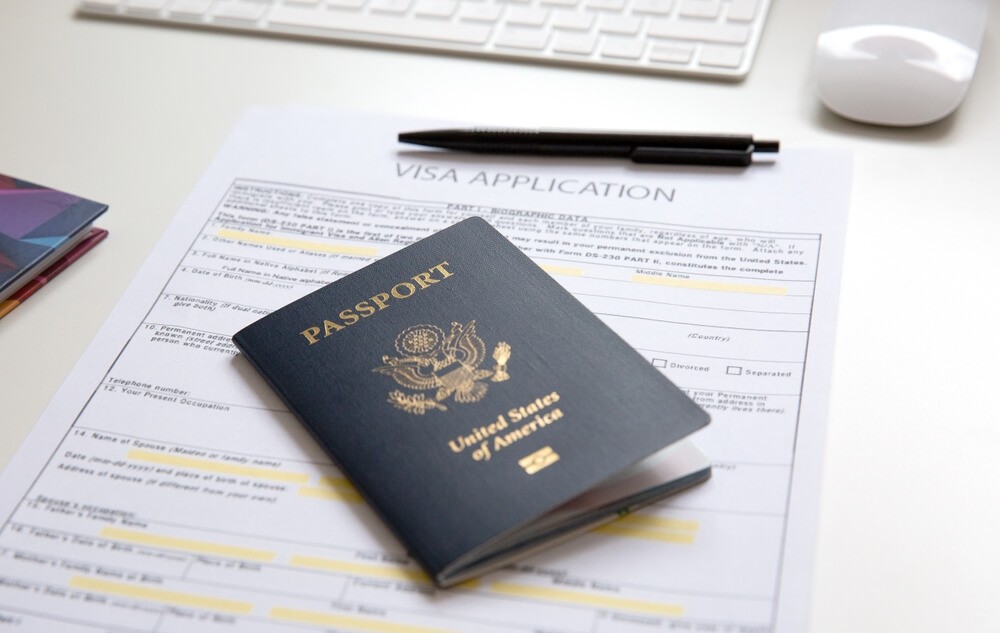
The I-601 and I-601A forms both deal with waivers for certain immigration barriers, but they are used in different scenarios and for different purposes.
The I-601, known as the Application for Waiver of Grounds of Inadmissibility, is intended for individuals who have been found inadmissible while applying for a visa or green card, whether they are inside or outside the U.S. This form addresses a variety of issues, such as unlawful presence, certain criminal convictions, and other factors that could prevent someone from being approved. If you encounter a barrier during your application process, the I-601 allows you to request a waiver to move forward with your application.
The I-601A, or Application for Provisional Unlawful Presence Waiver, is specifically for those already in the U.S. without legal status who need to leave the country to apply for a green card. The I-601A waiver only addresses the issue of unlawful presence, which refers to being in the U.S. without authorization. The key benefit of the I-601A is that it can be filed while you're still in the U.S., allowing you to learn if it's approved before you depart, which minimizes the risk of being barred from re-entering for an extended period.
To qualify for an I-601 waiver, you must meet specific criteria and provide strong evidence that your situation warrants special consideration.
Here’s a breakdown of who may qualify for an I-601 waiver:
Family-Based Immigrants: If you’re applying for a green card based on a family relationship, you may qualify if denying your application would cause extreme hardship to your U.S. citizen or lawful permanent resident spouse, parent, or child.
Employment-Based Immigrants: Some individuals applying for employment-based visas or green cards may qualify if their inadmissibility would cause hardship to qualifying U.S. family members.
Self-Petitioners (VAWA): Individuals filing under the Violence Against Women Act (VAWA) may be eligible for certain waivers depending on their circumstances and the grounds of inadmissibility.
Special Immigrants: Certain special immigrant categories may have access to waivers under specific conditions.
Not everyone is eligible for an I-601 waiver. Eligibility depends on the specific ground(s) of inadmissibility and whether the law allows a waiver for that ground.
If you are inadmissible, it means U.S. immigration law says you are not eligible to enter the United States or to receive a visa/green card because of specific issues in your background.
Common reasons people may be found inadmissible include (but are not limited to) unlawful presence, certain criminal convictions, immigration fraud or misrepresentation, certain health-related grounds, and prior immigration violations.
In many cases, you learn you are inadmissible during a consular interview or when USCIS reviews your application and requests additional information or issues a denial/refusal based on inadmissibility.
Extreme hardship is a higher standard than normal hardship. It generally requires demonstrating that your qualifying relative would suffer hardship beyond what is typically expected if you are denied admission or a benefit.
Examples may include serious medical needs, mental health impacts, financial instability, inability to access adequate care or support abroad, unsafe conditions in the foreign country, and significant educational disruption for children—depending on the facts of your case.
The specific evidence and narrative matter. USCIS considers the totality of circumstances and expects documentation supporting each claimed hardship factor.
The I-601 instructions explain who can file, what evidence is needed, where to file, how to pay the fee, and what happens after you submit.
You should review the official USCIS instructions carefully before filing to make sure your waiver is legally available for your ground of inadmissibility and that you include the required supporting evidence.
Tip: Before you file Form I-601, make sure to read and understand the form instructions and gather strong documentation to support your hardship claim.
Waiver letters typically explain your background, the ground(s) of inadmissibility, your qualifying relative(s), and the specific facts showing extreme hardship.
A strong waiver packet often includes a detailed personal statement, supporting declarations from family, medical letters, financial records, country conditions evidence, and any other documentation relevant to the hardship factors in your case.
The I-601 filing fee depends on USCIS fee rules and whether any fee exemptions apply. Always confirm the current fee and payment method requirements on the USCIS I-601 page before filing.
Where you file depends on your case type and where you are in the process (e.g., consular processing vs. filing with USCIS). USCIS provides filing addresses and instructions—use the official USCIS guidance to confirm where to send your application.
Whether you can file before an interview depends on your scenario. Some applicants file after being found inadmissible during a consular interview or after USCIS identifies a ground of inadmissibility. Confirm timing rules that apply to your case and consult counsel if needed.
Processing times vary based on USCIS workload and the service center handling the case. Many I-601 cases can take a long time, and it is not unusual for processing to exceed a year depending on circumstances.
You can typically check your case status using your USCIS receipt number through USCIS case status tools and your online account (if applicable). Keep your receipt notice and track updates regularly.
After approval, next steps depend on where you are in the immigration process. In consular processing cases, you typically proceed with the visa process through the consulate. In other contexts, you may continue with your green card or immigration benefit application as allowed.
A well-prepared I-601 waiver requires careful legal analysis, strong evidence, and a persuasive narrative demonstrating extreme hardship to qualifying relatives.
Keller Law can help you understand eligibility, identify the right hardship arguments, organize supporting documentation, and prepare a complete waiver submission strategy tailored to your facts.
If you think you may need an I-601 waiver, consider so you can avoid common pitfalls and submit the strongest application possible.
Schedule Your Free Discovery Call
Take the first step toward resolving your legal challenges. Book a friendly meet-and-greet to get to know each other (no legal advice at this stage). However, if you’re ready for tailored guidance, schedule a direct legal consultation instead.
We’re here to support you every step of the way!
Get in Touch with Us
300 Main Street, 1st Floor Worcester, MA 01608


Monday - Friday | 9AM to 5PM
Saturday | Appointment Only
Sunday | Closed
Disclaimer:
In accordance with rules established by the Supreme Judicial Court of Massachusetts, this site must be labeled “advertising.” It is designed to provide general information for clients and those browsing our firm’s website and should not be construed as legal advice, or legal opinion on any specific facts or circumstances. This website is designed for general information only. The information presented at this site should not be construed to be formal legal advice nor the formation of a lawyer/client relationship.



Powered by AG InfoTech